
Search
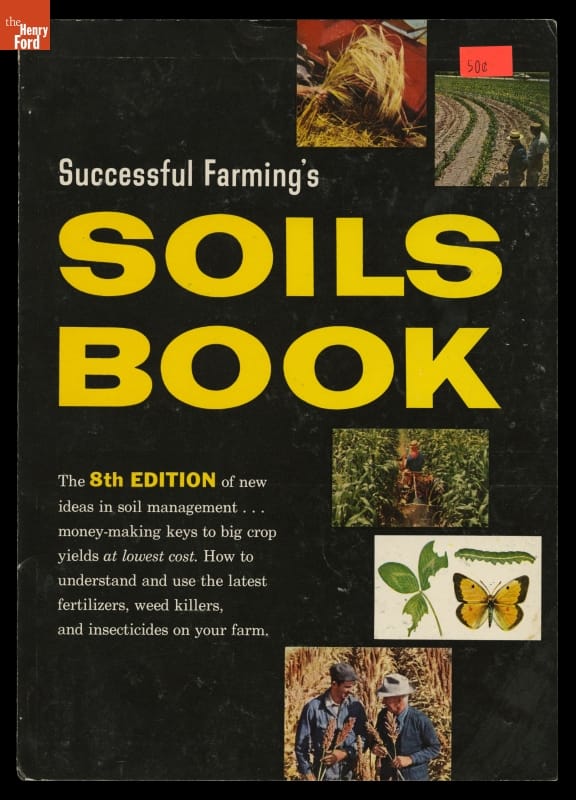
- Book, "Successful Farming's Soils Book," 1959 -
- 1959
- Collections - Artifact
Book, "Successful Farming's Soils Book," 1959
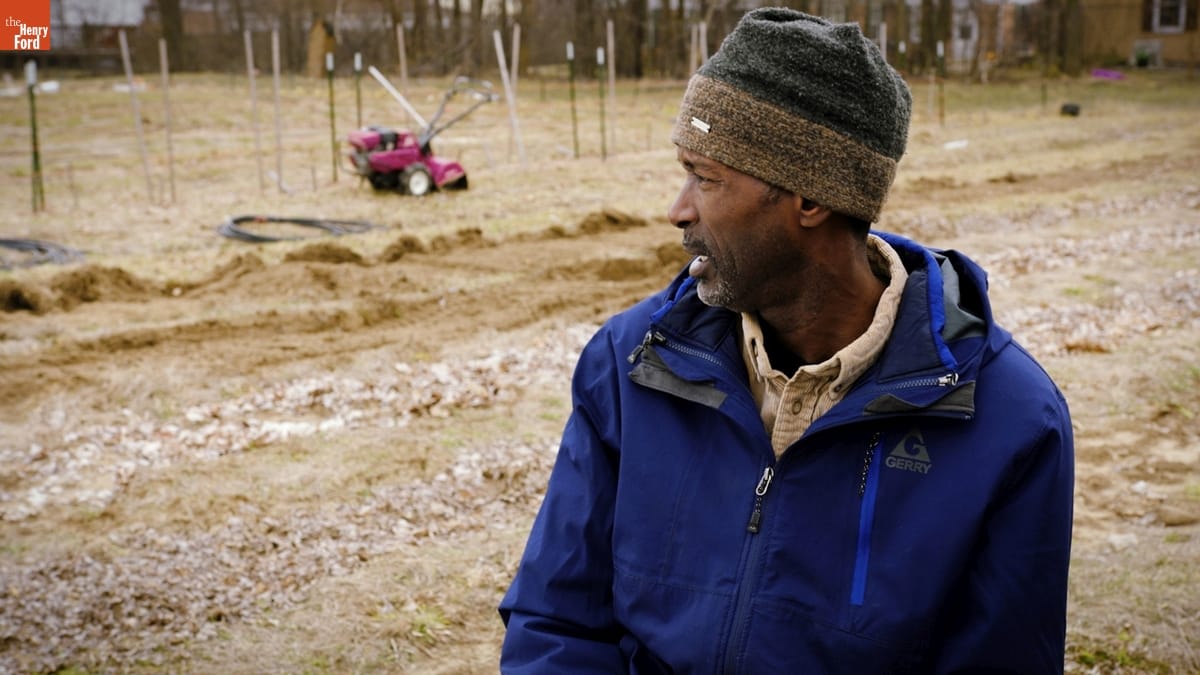
- "Farming: Connecting to the Earth and Community" Clip from Pre-Interview with Melvin Parson, April 5, 2019 - Melvin Parson, founder of We The People Growers Association, was the Spring 2019 Entrepreneur-In-Residence at The Henry Ford, funded by the William Davidson Foundation Initiative for Entrepreneurship. During his interview, Parson explains his journey and mission towards securing equality and social justice through urban farming, comparing it to taking a seat at the table as a full member of society.
- April 05, 2019
- Collections - Artifact
"Farming: Connecting to the Earth and Community" Clip from Pre-Interview with Melvin Parson, April 5, 2019
Melvin Parson, founder of We The People Growers Association, was the Spring 2019 Entrepreneur-In-Residence at The Henry Ford, funded by the William Davidson Foundation Initiative for Entrepreneurship. During his interview, Parson explains his journey and mission towards securing equality and social justice through urban farming, comparing it to taking a seat at the table as a full member of society.
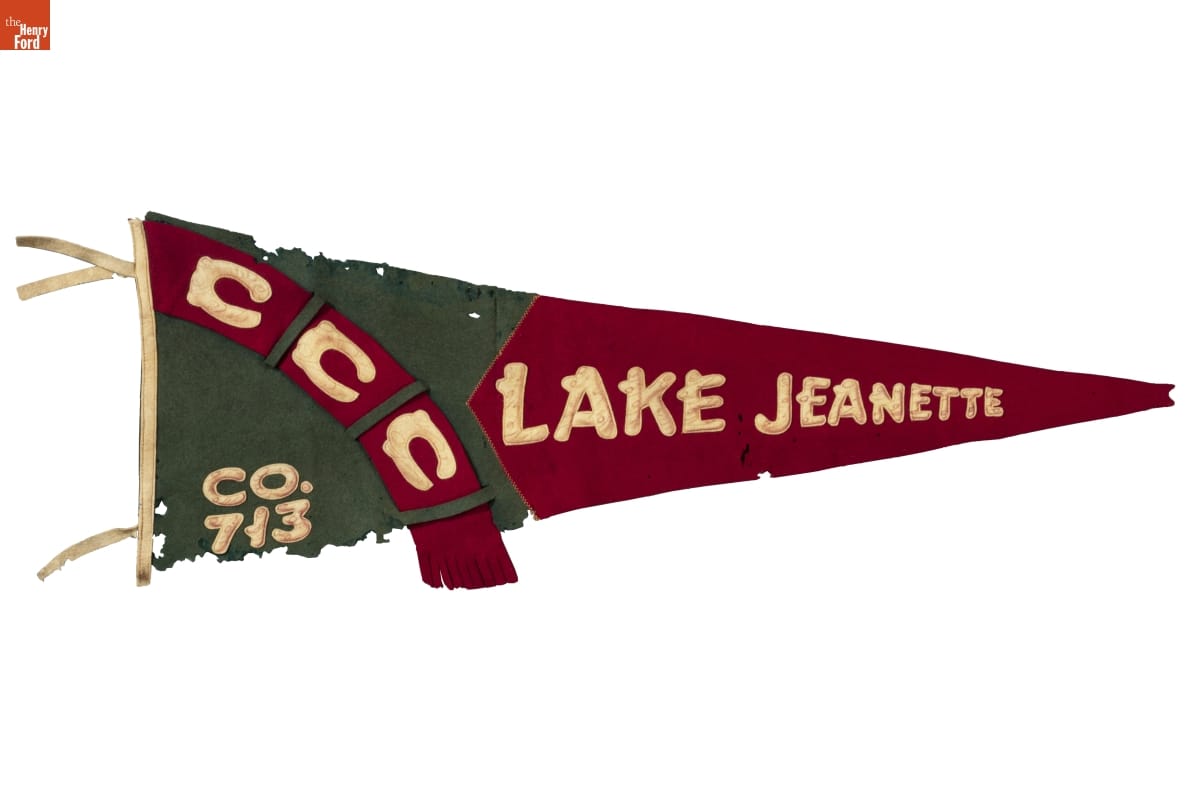
- Civilian Conservation Corps "Co. 713, Camp Jeanette" Pennant, 1936-1941 - President Franklin Roosevelt established the Civilian Conservation Corps (CCC) in 1933 during the early years of the Great Depression. The Corps enlisted unemployed, single young men to work in America's public lands, forests, and national parks. The men earned $30 a month and received food, clothing, and lodging. More than 2 1/2 million men served by the time the program ended in 1942.
- 1936-1941
- Collections - Artifact
Civilian Conservation Corps "Co. 713, Camp Jeanette" Pennant, 1936-1941
President Franklin Roosevelt established the Civilian Conservation Corps (CCC) in 1933 during the early years of the Great Depression. The Corps enlisted unemployed, single young men to work in America's public lands, forests, and national parks. The men earned $30 a month and received food, clothing, and lodging. More than 2 1/2 million men served by the time the program ended in 1942.
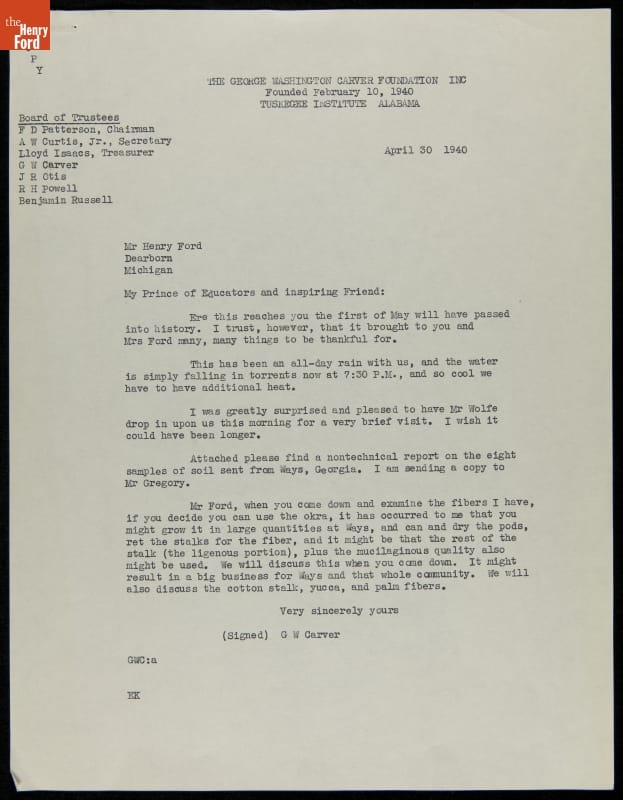
- Letter and Soil Sample Analysis, from George Washington Carver to Henry Ford, April 30, 1940 - George Washington Carver and Henry Ford became friends in the late 1930s, drawn together by a mutual interest in developing new industrial products from the fruits of the soil. Carver's warm letters to Ford, Clara Ford, and Ford's secretary Frank Campsall speak to the genuine depth of the friendship. Carver often gives Ford advice on research avenues to pursue and suggests recipes for natural health.
- April 30, 1940
- Collections - Artifact
Letter and Soil Sample Analysis, from George Washington Carver to Henry Ford, April 30, 1940
George Washington Carver and Henry Ford became friends in the late 1930s, drawn together by a mutual interest in developing new industrial products from the fruits of the soil. Carver's warm letters to Ford, Clara Ford, and Ford's secretary Frank Campsall speak to the genuine depth of the friendship. Carver often gives Ford advice on research avenues to pursue and suggests recipes for natural health.
- "Social Justice and Human Connection," Clip from Interview with Melvin Parson, April 5, 2019 - Melvin Parson, founder of We The People Growers Association, was the Spring 2019 Entrepreneur-In-Residence at The Henry Ford, funded by the William Davidson Foundation Initiative for Entrepreneurship. During his interview, Parson explains his journey and mission towards securing equality and social justice through urban farming, comparing it to taking a seat at the table as a full member of society.
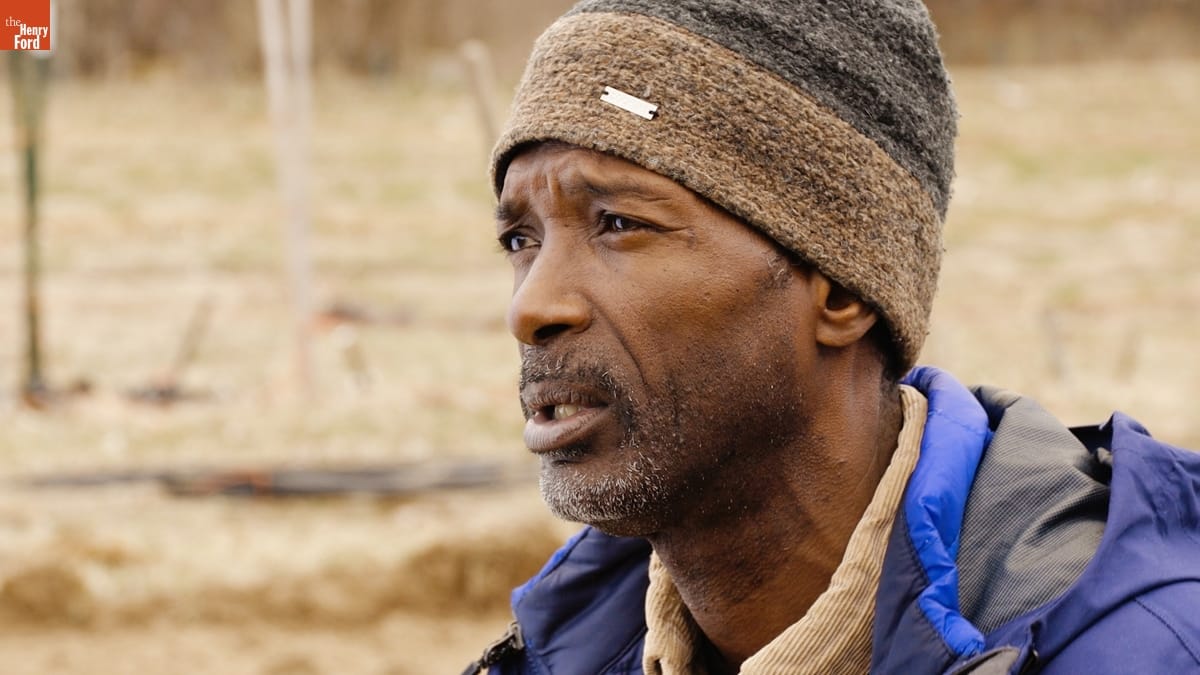
- April 05, 2019
- Collections - Artifact
"Social Justice and Human Connection," Clip from Interview with Melvin Parson, April 5, 2019
Melvin Parson, founder of We The People Growers Association, was the Spring 2019 Entrepreneur-In-Residence at The Henry Ford, funded by the William Davidson Foundation Initiative for Entrepreneurship. During his interview, Parson explains his journey and mission towards securing equality and social justice through urban farming, comparing it to taking a seat at the table as a full member of society.
- Souvenir Bag of Dirt, "Genuine Dirt from Crater of Diamonds," Murfreesboro, Arkansas, Obtained circa 1955 -
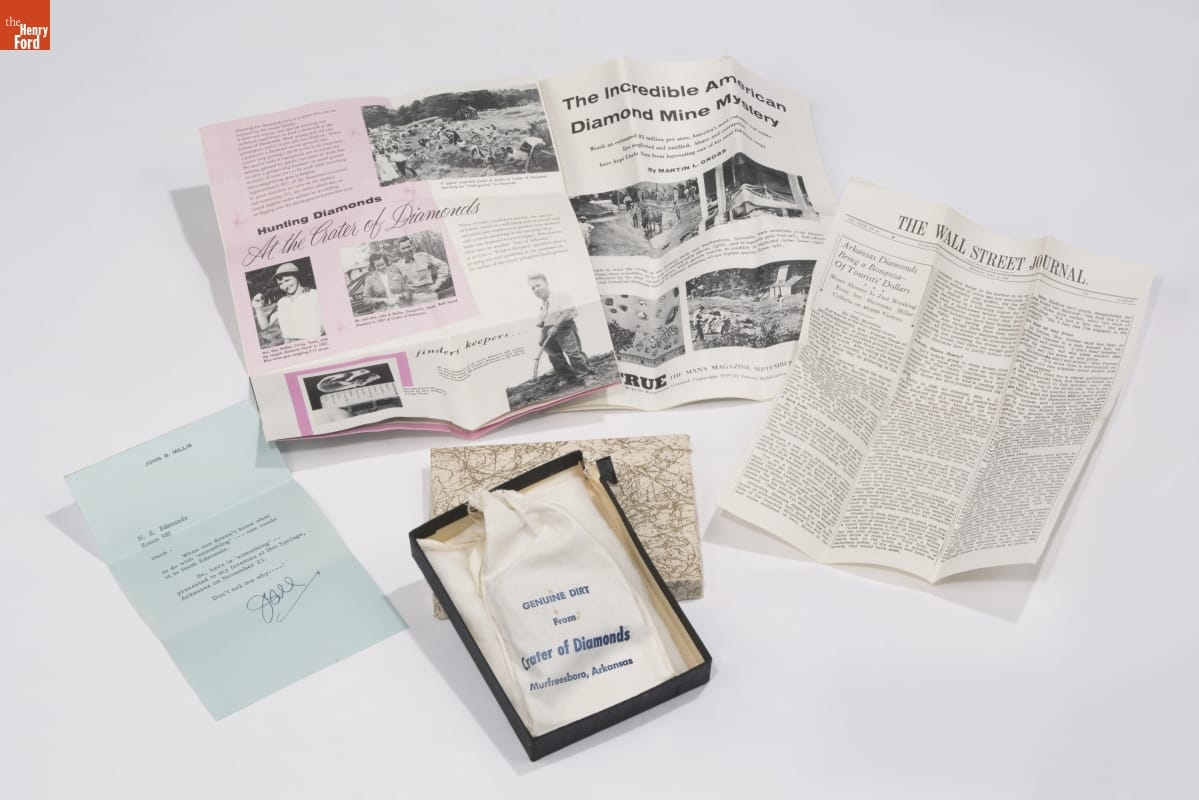
- circa 1955
- Collections - Artifact
Souvenir Bag of Dirt, "Genuine Dirt from Crater of Diamonds," Murfreesboro, Arkansas, Obtained circa 1955
- Letter from George Washington Carver to Henry Ford, June 27, 1938 - George Washington Carver and Henry Ford became friends in the late 1930s, drawn together by a mutual interest in developing new industrial products from the fruits of the soil. Carver's warm letters to Ford, Clara Ford, and Ford's secretary Frank Campsall speak to the genuine depth of the friendship. Carver often gives Ford advice on research avenues to pursue and suggests recipes for natural health.
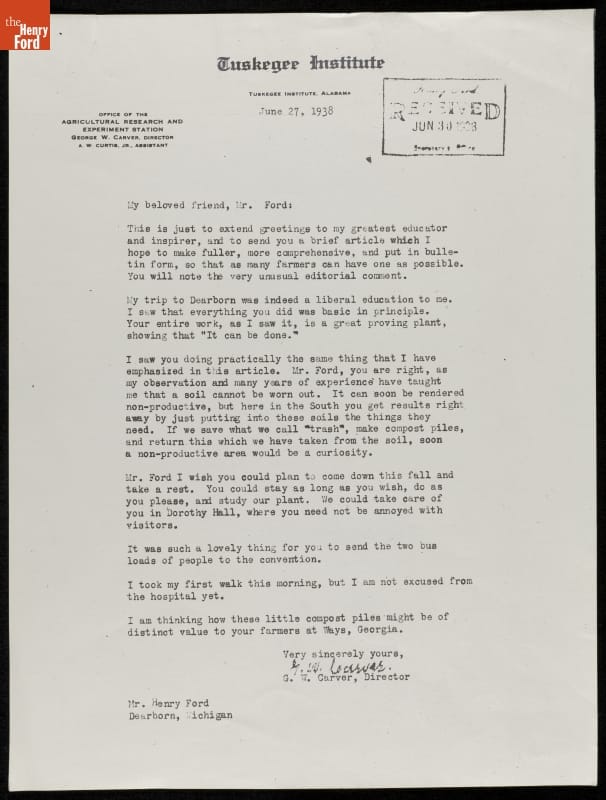
- June 27, 1938
- Collections - Artifact
Letter from George Washington Carver to Henry Ford, June 27, 1938
George Washington Carver and Henry Ford became friends in the late 1930s, drawn together by a mutual interest in developing new industrial products from the fruits of the soil. Carver's warm letters to Ford, Clara Ford, and Ford's secretary Frank Campsall speak to the genuine depth of the friendship. Carver often gives Ford advice on research avenues to pursue and suggests recipes for natural health.
- "Soil, Crops, and Fallout from Nuclear Attack," November 1962 - Written during the height of the Cold War, following the Cuban Missile Crisis, this pamphlet instructs farmers how to deal with farm lands and produce affected by a massive nuclear attack. It is written with the assumptions that a nuclear attack would be survivable, and the risks from radioactive contamination and those from food shortages, would need to be balanced.
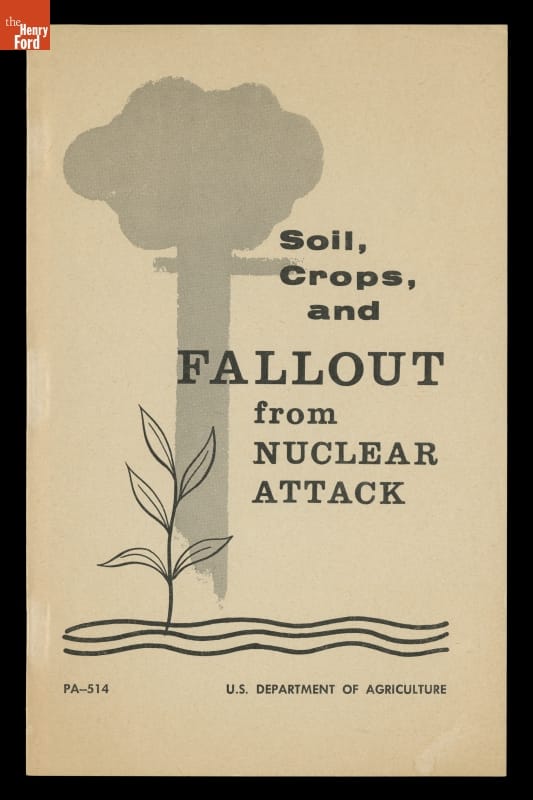
- November 01, 1962
- Collections - Artifact
"Soil, Crops, and Fallout from Nuclear Attack," November 1962
Written during the height of the Cold War, following the Cuban Missile Crisis, this pamphlet instructs farmers how to deal with farm lands and produce affected by a massive nuclear attack. It is written with the assumptions that a nuclear attack would be survivable, and the risks from radioactive contamination and those from food shortages, would need to be balanced.
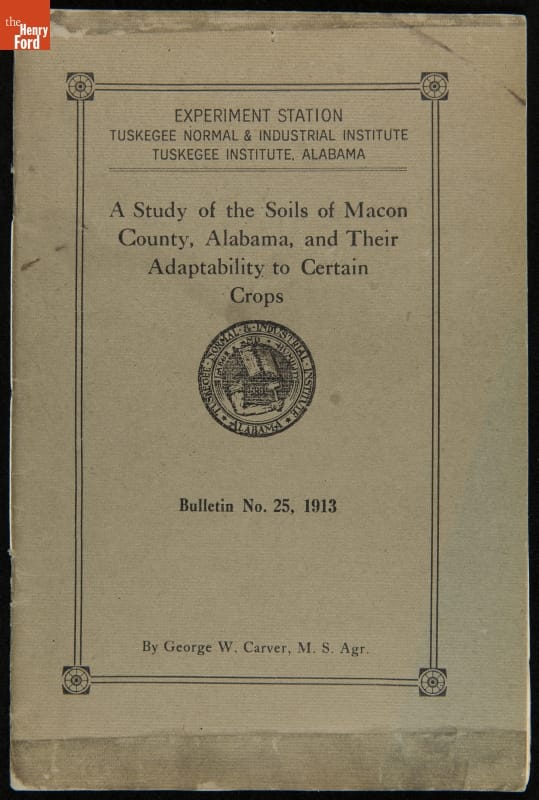
- Study of the Soils of Macon County, Alabama, and Their Adaptability to Certain Crops, Bulletin No. 25, 1913 -
- 1913
- Collections - Artifact
Study of the Soils of Macon County, Alabama, and Their Adaptability to Certain Crops, Bulletin No. 25, 1913
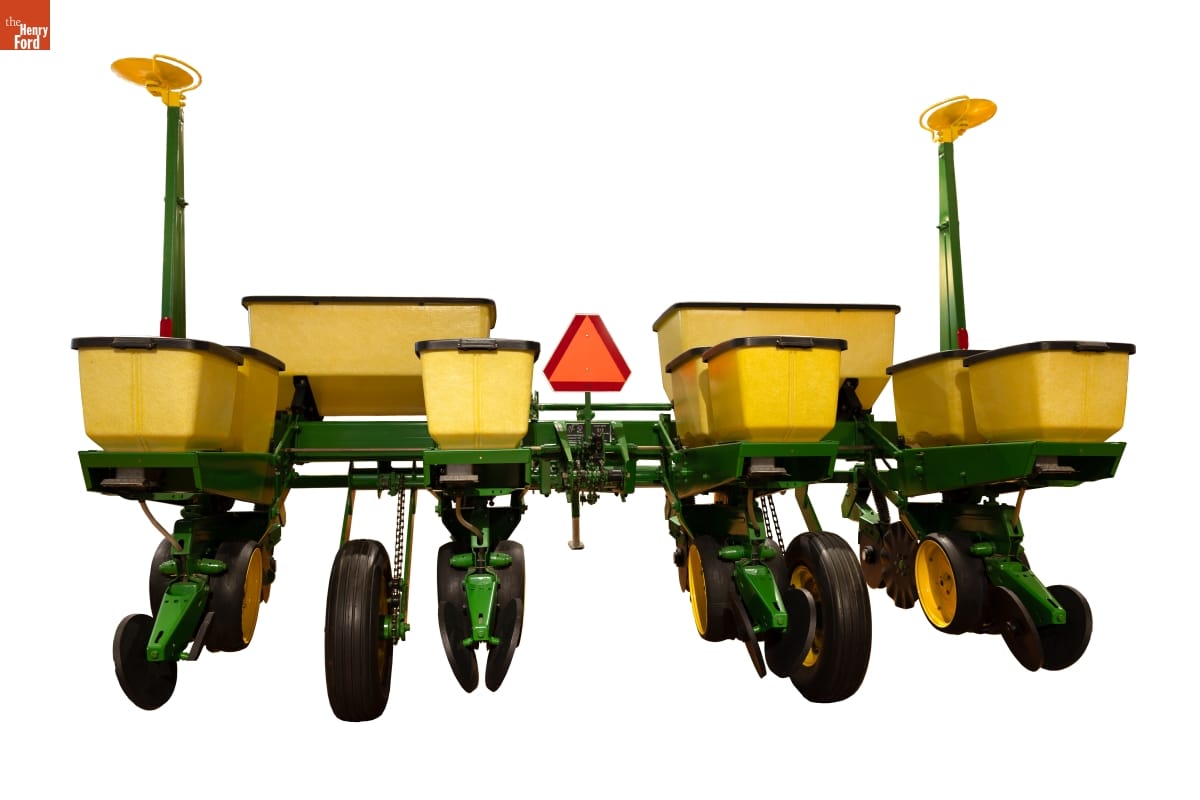
- John Deere 7000 No-Till Planter, 1978 - Deere and Company introduced their first commercially successful no-till or minimum tillage planter in 1978. Rolling disks open a furrow for a seed, and another set of rolling disks cover the seed. Conservation tillage reduces wind and water erosion, but no-till does not mean no chemicals. Farmers may apply commercial fertilizers, herbicides to control weeds, and insecticides to control pests.
- 1978
- Collections - Artifact
John Deere 7000 No-Till Planter, 1978
Deere and Company introduced their first commercially successful no-till or minimum tillage planter in 1978. Rolling disks open a furrow for a seed, and another set of rolling disks cover the seed. Conservation tillage reduces wind and water erosion, but no-till does not mean no chemicals. Farmers may apply commercial fertilizers, herbicides to control weeds, and insecticides to control pests.