
Search
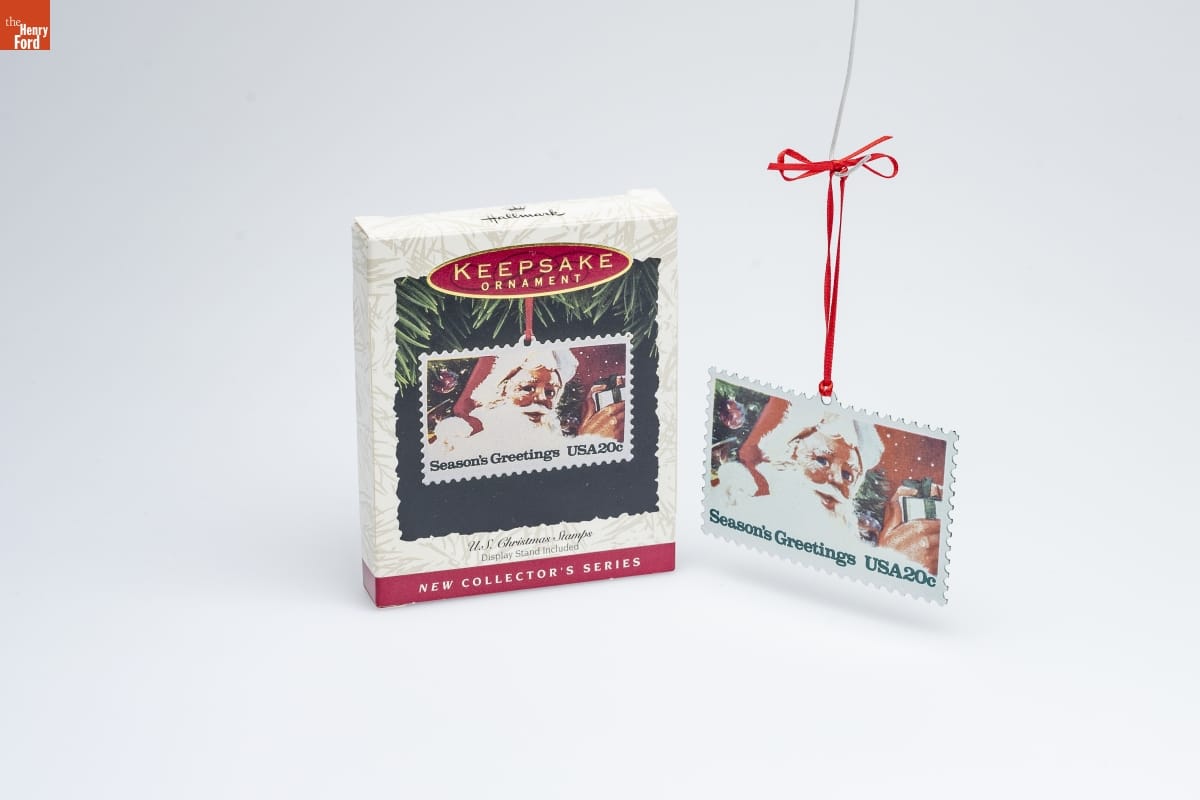
- Hallmark "U.S. Christmas Stamps Series" Christmas Ornament, 1993 - Already known for greeting cards, Hallmark introduced a line of Christmas ornaments in 1973. The company's annual release of an increasing array of ornaments revolutionized Christmas decorating, appealing to customers' interest in marking memories and milestones as well as expressing one's personality and unique tastes.
- 1993
- Collections - Artifact
Hallmark "U.S. Christmas Stamps Series" Christmas Ornament, 1993
Already known for greeting cards, Hallmark introduced a line of Christmas ornaments in 1973. The company's annual release of an increasing array of ornaments revolutionized Christmas decorating, appealing to customers' interest in marking memories and milestones as well as expressing one's personality and unique tastes.
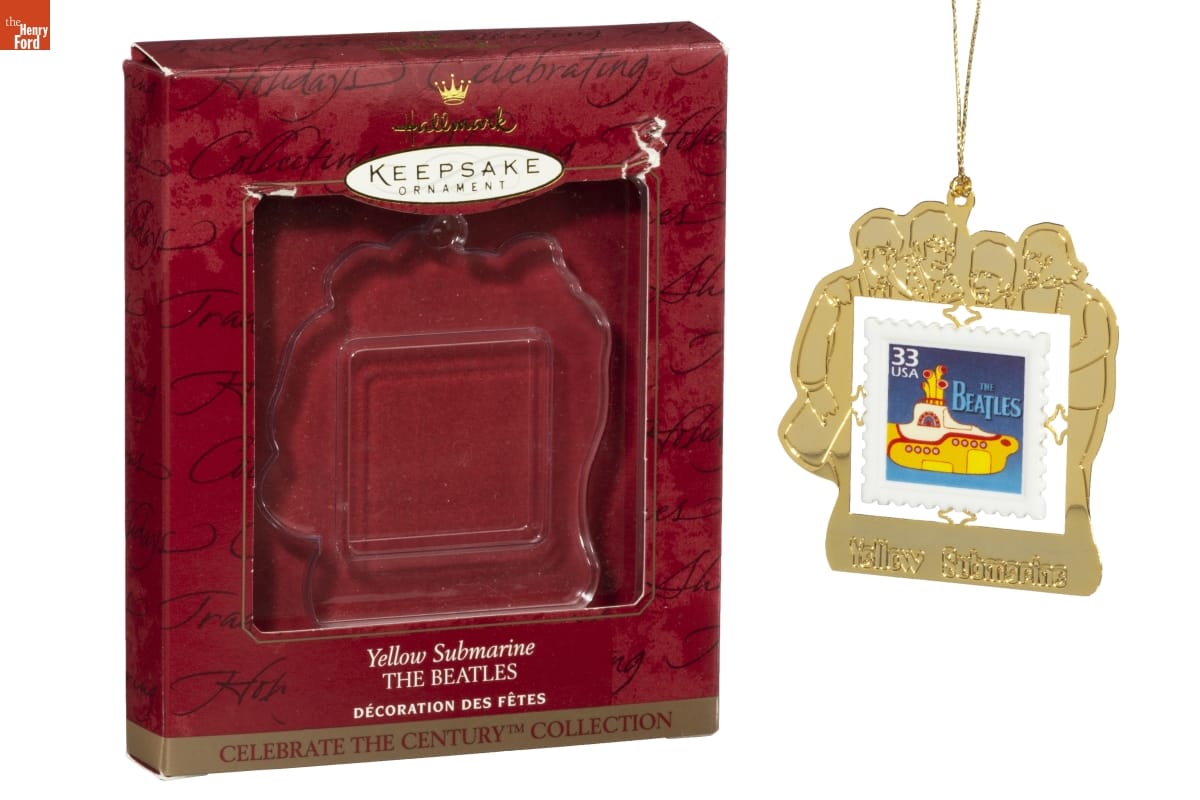
- Hallmark "Celebrate The Century Collection: The Beatles, Yellow Submarine" Christmas Ornament, 1999 - Already known for greeting cards, Hallmark introduced a line of Christmas ornaments in 1973. The company's annual release of an increasing array of ornaments revolutionized Christmas decorating, appealing to customers' interest in marking memories and milestones as well as expressing one's personality and unique tastes.
- 1999
- Collections - Artifact
Hallmark "Celebrate The Century Collection: The Beatles, Yellow Submarine" Christmas Ornament, 1999
Already known for greeting cards, Hallmark introduced a line of Christmas ornaments in 1973. The company's annual release of an increasing array of ornaments revolutionized Christmas decorating, appealing to customers' interest in marking memories and milestones as well as expressing one's personality and unique tastes.
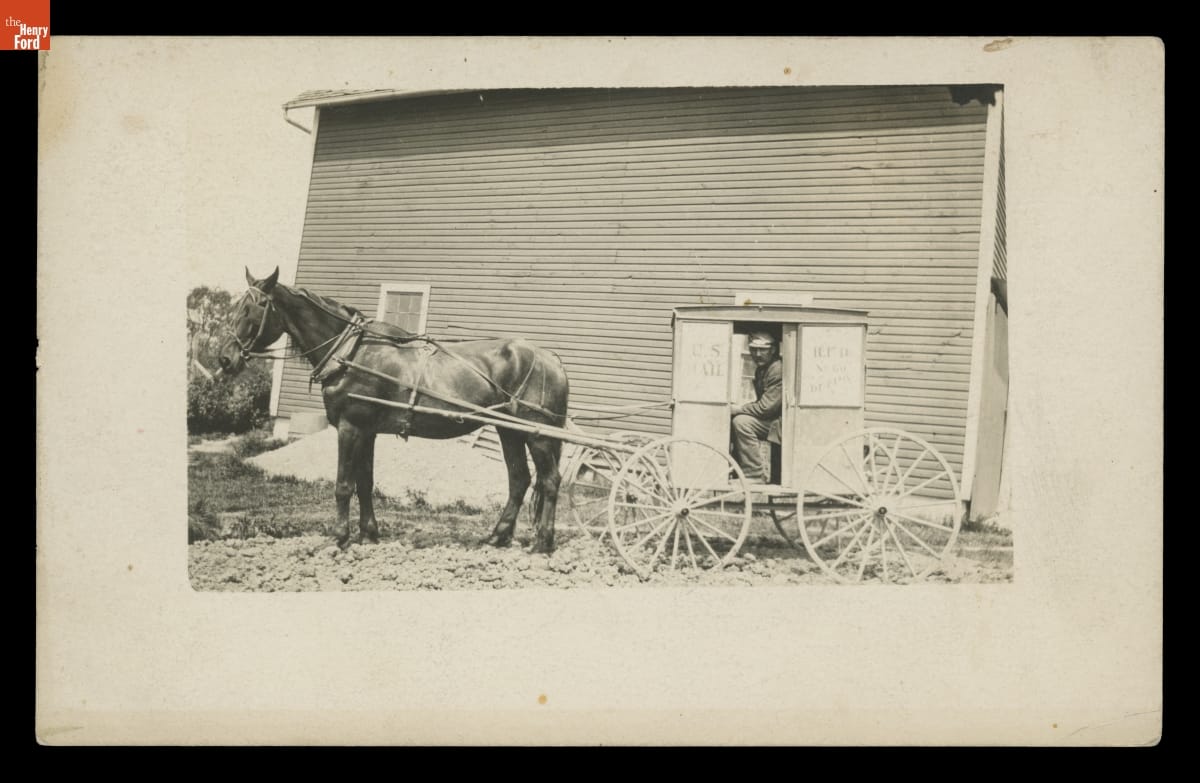
- Rural Free Delivery in a Horse-Drawn Mail Delivery Wagon, 1895-1920 - Officially adopted by the Post Office Department in 1896, Rural Free Delivery was a boon to residents who were previously required to personally collect their mail in the nearest town. Rural routes were long and served hundreds of customers. To facilitate their perennial labor, carriers often purchased horse-drawn wagons like this, with a cash box, foot-warmer, and small sorting desk.
- 1895-1920
- Collections - Artifact
Rural Free Delivery in a Horse-Drawn Mail Delivery Wagon, 1895-1920
Officially adopted by the Post Office Department in 1896, Rural Free Delivery was a boon to residents who were previously required to personally collect their mail in the nearest town. Rural routes were long and served hundreds of customers. To facilitate their perennial labor, carriers often purchased horse-drawn wagons like this, with a cash box, foot-warmer, and small sorting desk.
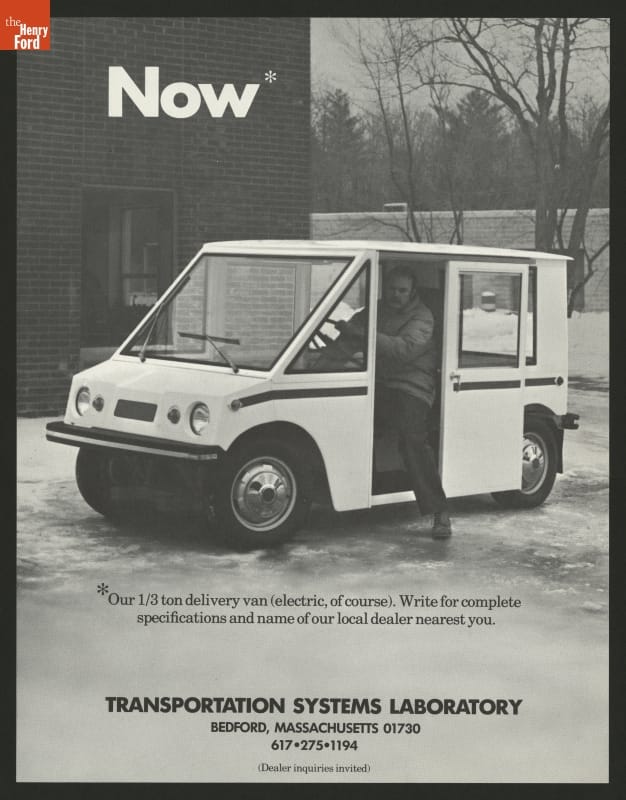
- Transportation Systems Laboratory Promotional Materials, 1973 - Transportation Systems Laboratory produced this press kit in 1973. The company manufactured electric delivery vans. The vans used a battery pack of 14 six-volt batteries. Like earlier electric vehicles, these vans had a limited range -- 35 miles from a single charge. The U.S. Postal Service tested a number of these vehicles.
- 1973
- Collections - Artifact
Transportation Systems Laboratory Promotional Materials, 1973
Transportation Systems Laboratory produced this press kit in 1973. The company manufactured electric delivery vans. The vans used a battery pack of 14 six-volt batteries. Like earlier electric vehicles, these vans had a limited range -- 35 miles from a single charge. The U.S. Postal Service tested a number of these vehicles.
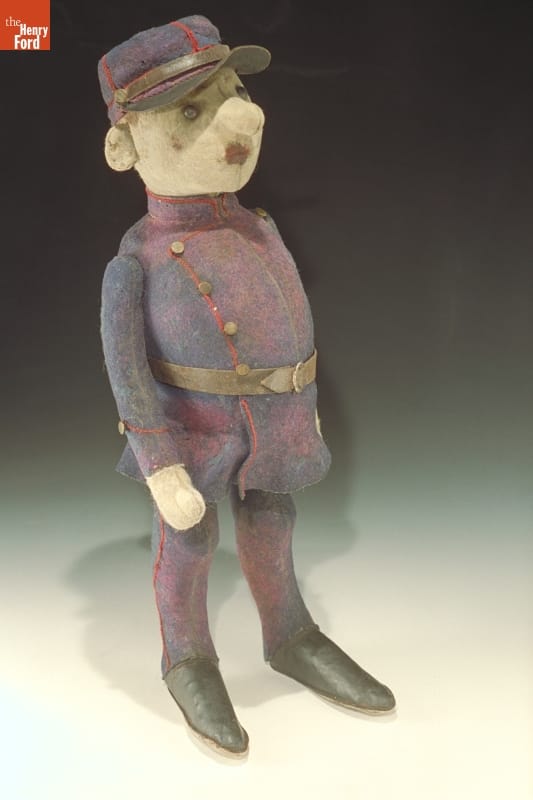
- Policeman Doll, 1905-1909, Earle Ovington's Mascot "Treize" - Air mail pilot Earle Ovington adopted this doll as his personal mascot, carrying it with him on every flight. He named the doll, modeled after a French policeman, "Treize" -- the French word for "thirteen." It was Ovington's lucky number. He had "13" painted on his airplane's wings because, he recalled, no other pilot dared to use that particular number.
- 1905-1909
- Collections - Artifact
Policeman Doll, 1905-1909, Earle Ovington's Mascot "Treize"
Air mail pilot Earle Ovington adopted this doll as his personal mascot, carrying it with him on every flight. He named the doll, modeled after a French policeman, "Treize" -- the French word for "thirteen." It was Ovington's lucky number. He had "13" painted on his airplane's wings because, he recalled, no other pilot dared to use that particular number.
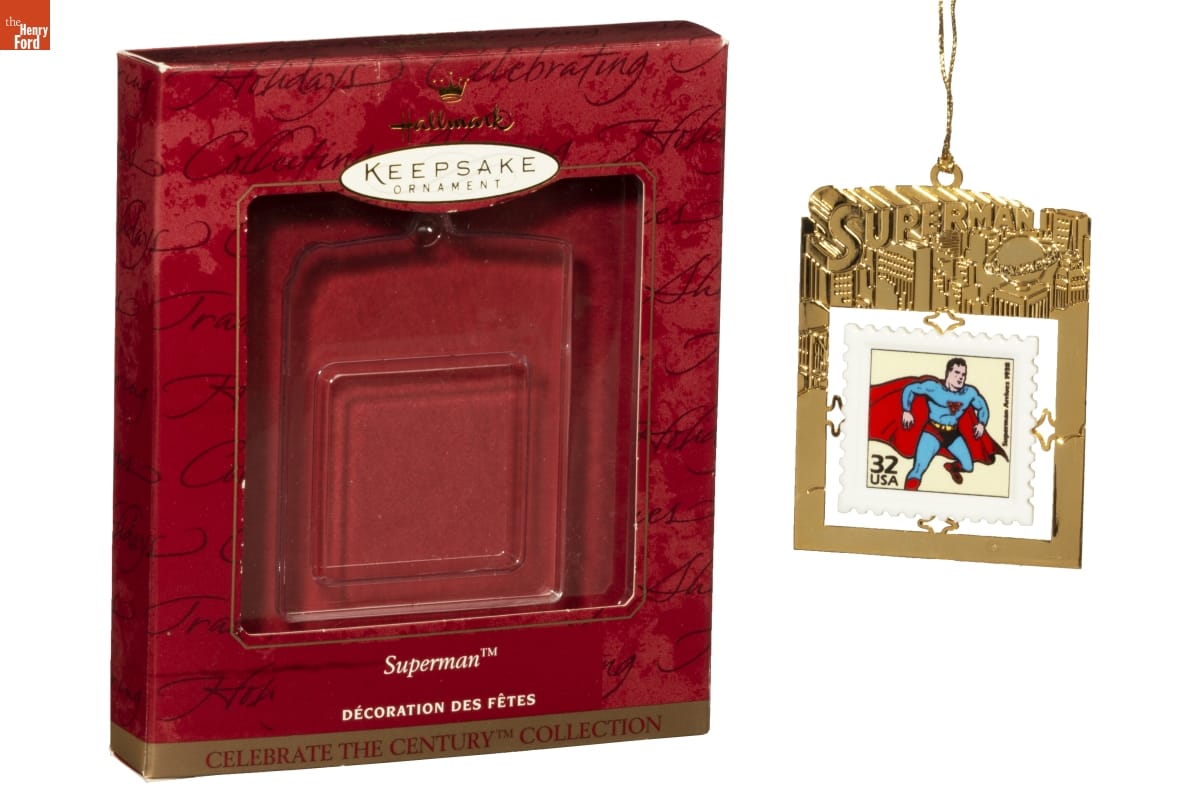
- Hallmark "Celebrate The Century Collection: Superman" Christmas Ornament, 1999 - Already known for greeting cards, Hallmark introduced a line of Christmas ornaments in 1973. The company's annual release of an increasing array of ornaments revolutionized Christmas decorating, appealing to customers' interest in marking memories and milestones as well as expressing one's personality and unique tastes.
- 1999
- Collections - Artifact
Hallmark "Celebrate The Century Collection: Superman" Christmas Ornament, 1999
Already known for greeting cards, Hallmark introduced a line of Christmas ornaments in 1973. The company's annual release of an increasing array of ornaments revolutionized Christmas decorating, appealing to customers' interest in marking memories and milestones as well as expressing one's personality and unique tastes.
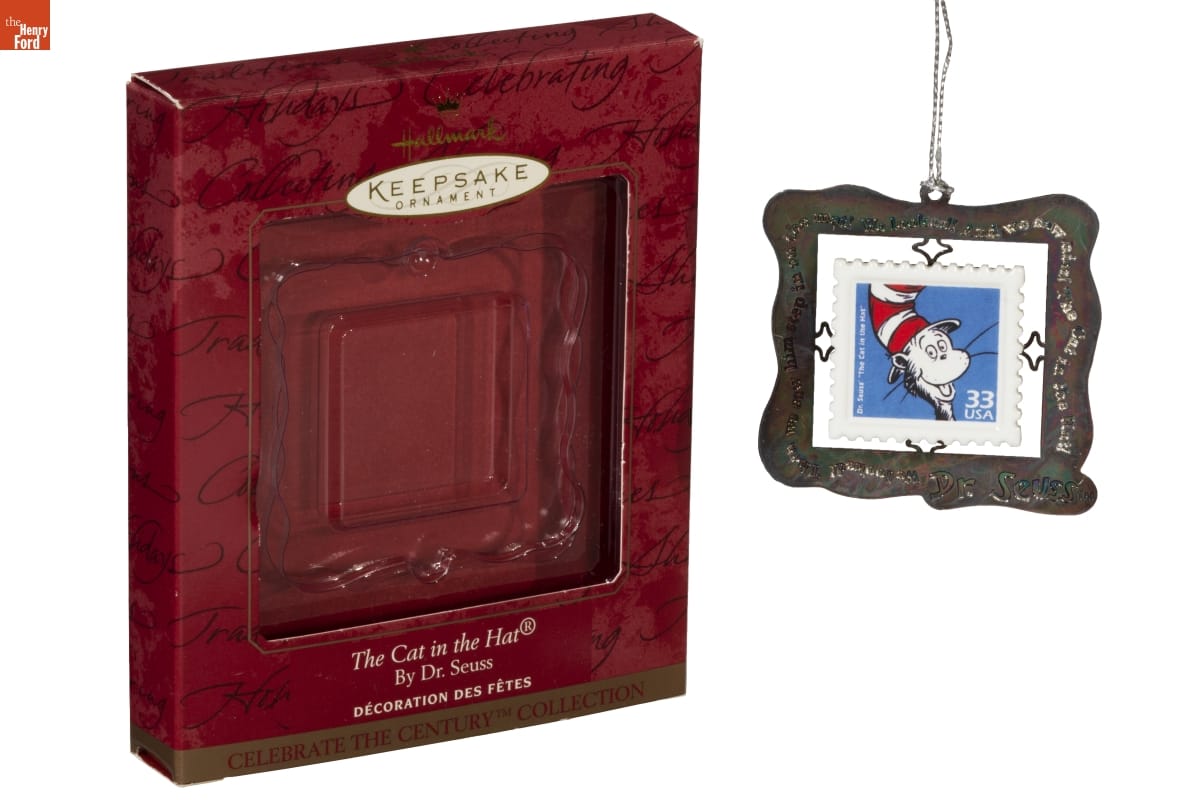
- Hallmark "Celebrate The Century Collection: The Cat in the Hat By Dr. Seuss" Christmas Ornament, 1999 - Already known for greeting cards, Hallmark introduced a line of Christmas ornaments in 1973. The company's annual release of an increasing array of ornaments revolutionized Christmas decorating, appealing to customers' interest in marking memories and milestones as well as expressing one's personality and unique tastes.
- 1999
- Collections - Artifact
Hallmark "Celebrate The Century Collection: The Cat in the Hat By Dr. Seuss" Christmas Ornament, 1999
Already known for greeting cards, Hallmark introduced a line of Christmas ornaments in 1973. The company's annual release of an increasing array of ornaments revolutionized Christmas decorating, appealing to customers' interest in marking memories and milestones as well as expressing one's personality and unique tastes.
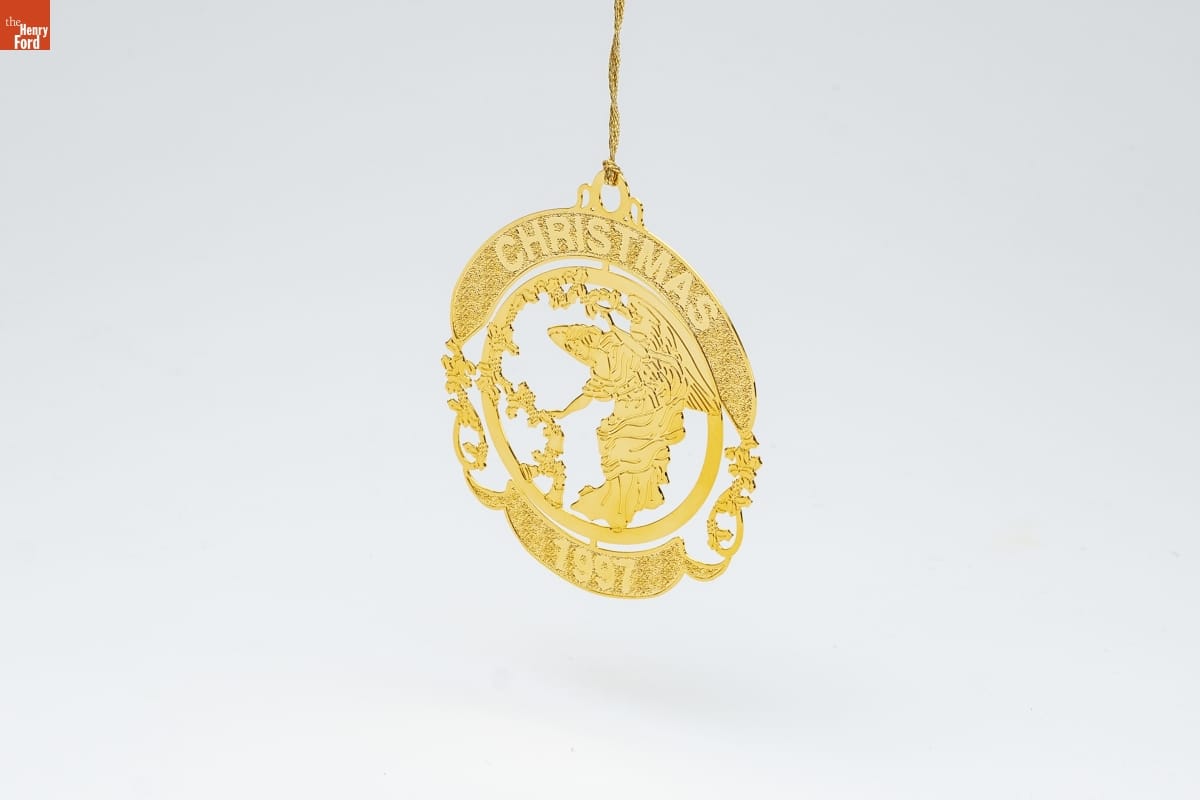
- Ensemble "Midnight Angel" Christmas Ornament, 1997 - Already known for greeting cards, Hallmark introduced a line of Christmas ornaments in 1973. The company's annual release of an increasing array of ornaments revolutionized Christmas decorating, appealing to customers' interest in marking memories and milestones as well as expressing one's personality and unique tastes.
- 1997
- Collections - Artifact
Ensemble "Midnight Angel" Christmas Ornament, 1997
Already known for greeting cards, Hallmark introduced a line of Christmas ornaments in 1973. The company's annual release of an increasing array of ornaments revolutionized Christmas decorating, appealing to customers' interest in marking memories and milestones as well as expressing one's personality and unique tastes.
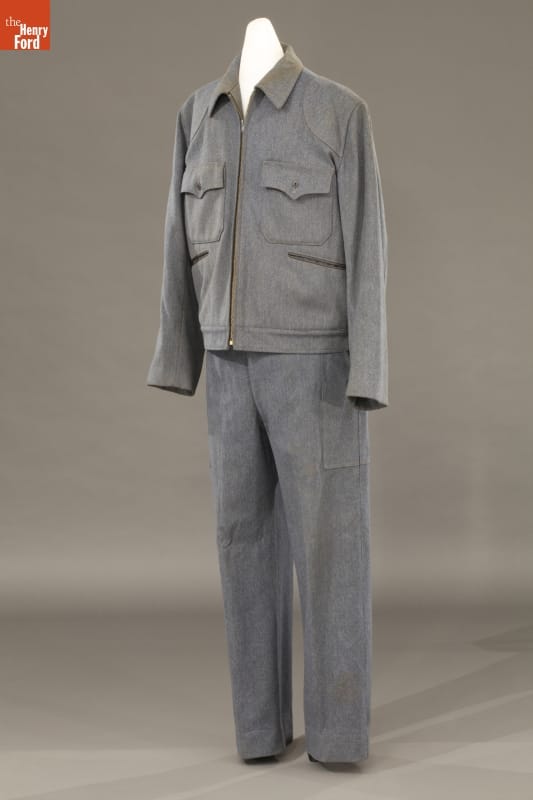
- Postal Service Uniform, 1955-1965 - This United States Postal Service uniform was instantly recognizable to patrons anticipating mail. It implies that the wearer is a trustworthy government employee. Designed for comfort and function, the uniform consists of an "Eisenhower jacket" -- adopted by carriers in 1953 -- and matching trousers. Herbert Temple Goltry of Allen Park, Michigan, wore this uniform as a U. S. postal carrier.
- 1955-1965
- Collections - Artifact
Postal Service Uniform, 1955-1965
This United States Postal Service uniform was instantly recognizable to patrons anticipating mail. It implies that the wearer is a trustworthy government employee. Designed for comfort and function, the uniform consists of an "Eisenhower jacket" -- adopted by carriers in 1953 -- and matching trousers. Herbert Temple Goltry of Allen Park, Michigan, wore this uniform as a U. S. postal carrier.
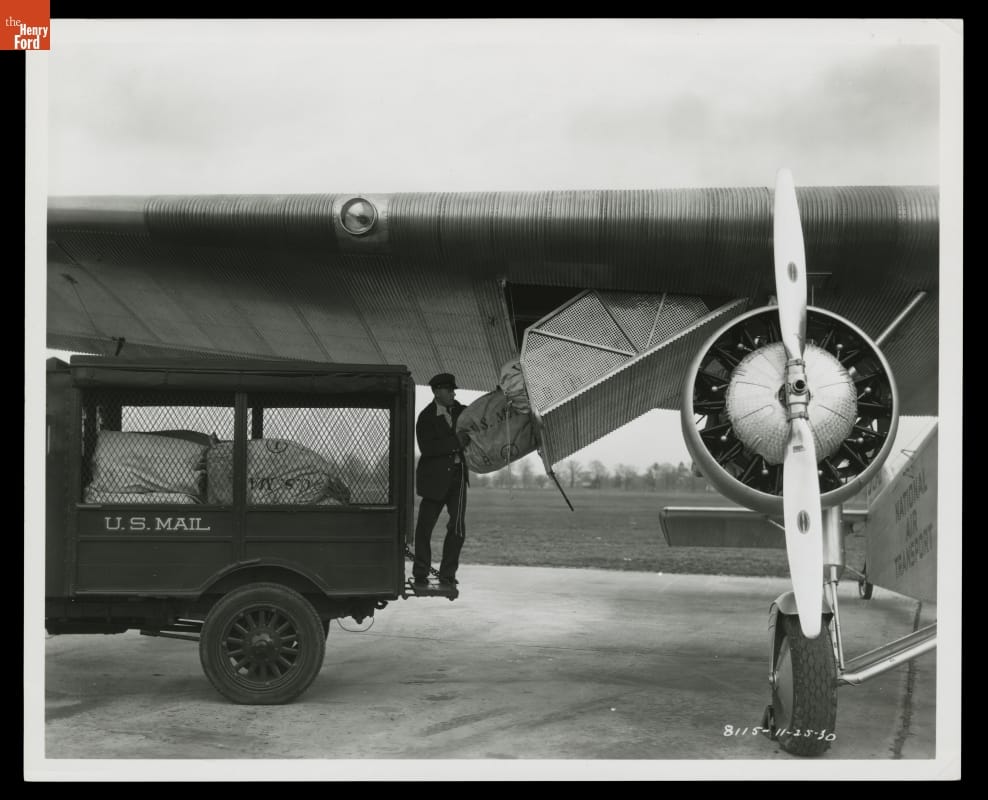
- Loading U.S. Mail into Wing Bin on National Air Transport's Ford Tri-Motor 5-AT-87 at Ford Airport, Dearborn, Michigan, 1930 - Among the interesting features on Ford's later Tri-Motors were storage bins built into the wings. TWA added the bins to some of its Tri-Motors in 1932. They provided room for mail and luggage without taking up limited cabin space. Ford liked the idea so much that it incorporated wing bins into the 5-AT-D model.
- November 25, 1930
- Collections - Artifact
Loading U.S. Mail into Wing Bin on National Air Transport's Ford Tri-Motor 5-AT-87 at Ford Airport, Dearborn, Michigan, 1930
Among the interesting features on Ford's later Tri-Motors were storage bins built into the wings. TWA added the bins to some of its Tri-Motors in 1932. They provided room for mail and luggage without taking up limited cabin space. Ford liked the idea so much that it incorporated wing bins into the 5-AT-D model.